Castle Hills Landscaping
Castle Hills yards don’t get to just be “fine.”
Between the HOA standards, the golf course frontage, and neighbors who clearly invest in their
properties, a yard that’s only okay stands out — for the wrong reason.
Most homes here were landscaped when they were built. Fifteen or twenty years later, that original
work is aging out. Shrubs are overgrown or thinning, beds don’t match how the house is actually used,
and irrigation systems are watering like it’s still 2005.
And all of it is sitting on North Texas clay, under a summer that punishes anything planted without a
plan.
Getting a Castle Hills yard right isn’t about adding more plants. It’s about designing for this soil, this
heat, and this standard — then installing it cleanly and keeping it healthy.
That’s what we focus on.
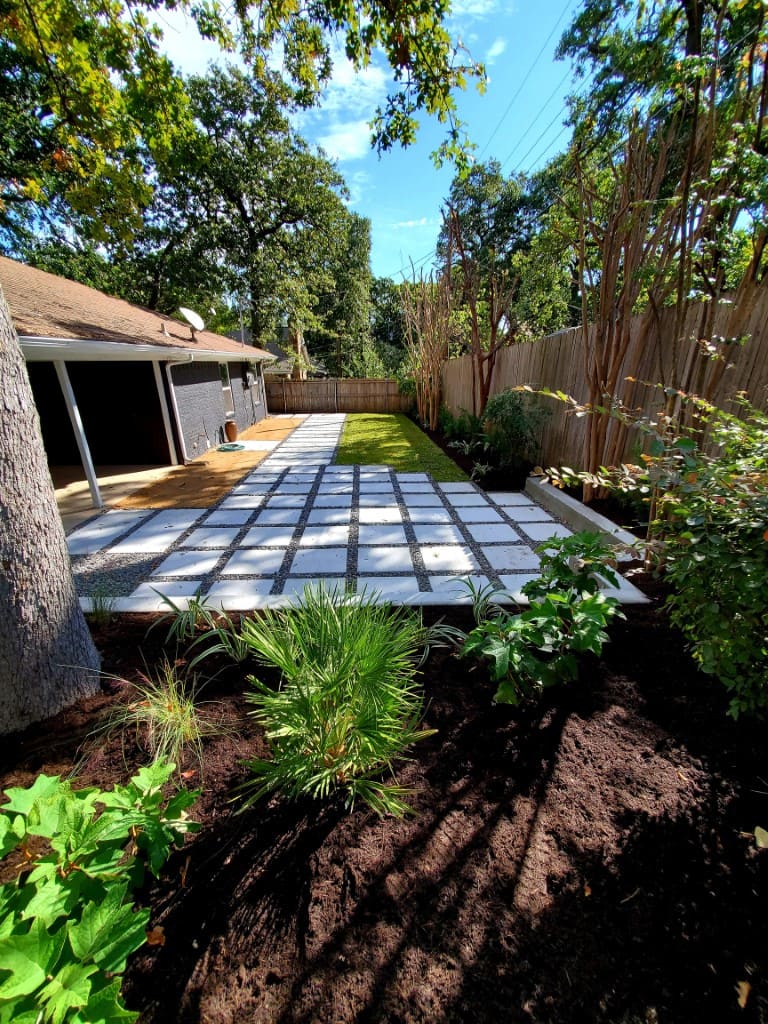
Castle Hills
Landscape design & installation
A lot of Castle Hills projects are closer to a full redesign than a refresh.
The bones of the yard may be fine — mature trees, decent grade, good views — but the planting plan no longer works. Things were planted too close, too tender for the heat, or too thirsty for current watering restrictions.
So the job becomes bigger than swapping out a few shrubs.
It becomes:
- a real design for the whole property, not bed-by-bed patching
- Texas-native and adapted plants that thrive here instead of fighting the climate
- sod installation where lawns have thinned or scorched out
- layered landscape lighting that shows the work off after dark
- beds, borders, and layouts that stay clean with reasonable maintenance
That’s where projects drift if the design isn’t settled early. If plants are chosen on installation day, the yard looks good for one season and then starts falling apart.
If you’re planning a redesign, start here:
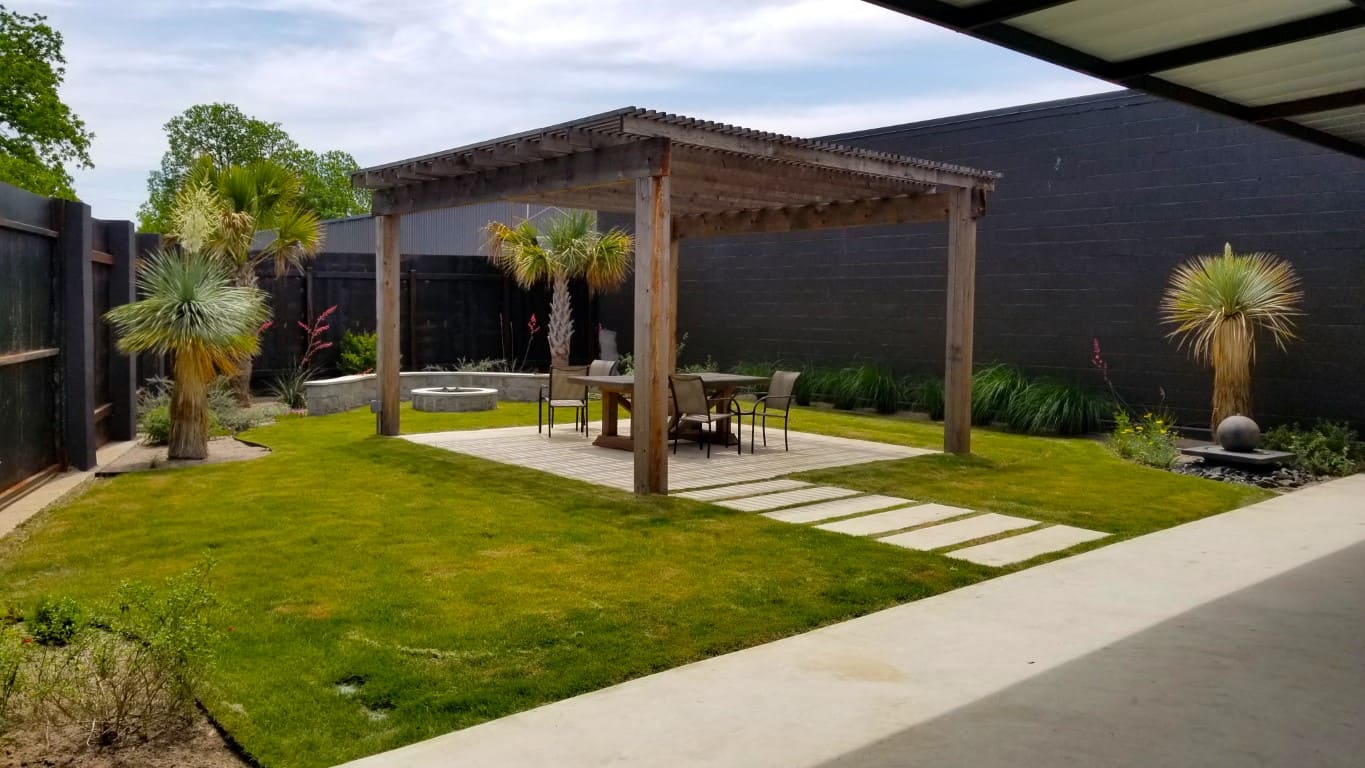
Castle Hills
Hard Hardscaping
Hardscape in Castle Hills has to feel like it belongs to the house.
If the patio doesn’t sit right with the architecture, the pathway materials clash with the brick, or a water feature looks dropped in, it shows immediately — especially in a neighborhood where the houses were designed to a consistent standard.
We’re usually talking about:
- patios and outdoor living areas built for actual Texas summers
- walkways and borders that tie the front yard together
- water and fire features with lighting layered around them
- structures that extend how much of the year the yard gets used
Done right, hardscaping is what turns a nice yard into an outdoor room. Done casually, it’s the most expensive mistake on the property.
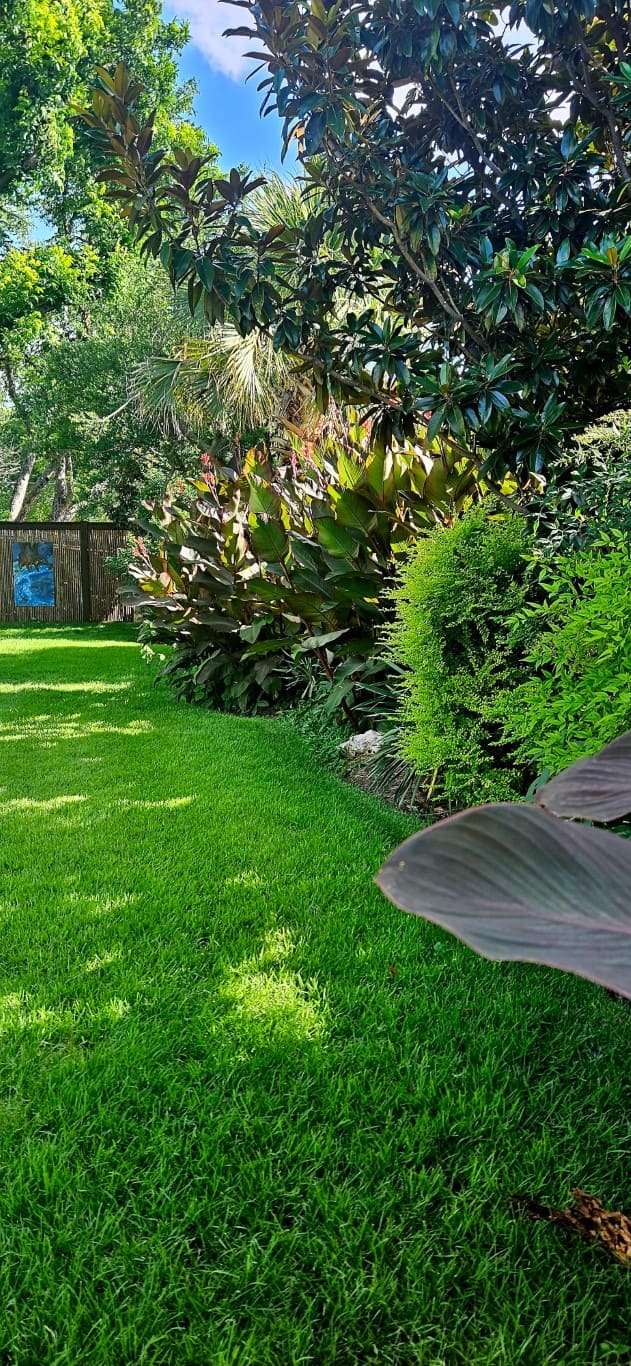
Castle Hills
Irrigation systems
Irrigation is where Castle Hills yards quietly fail.
The system runs, so everyone assumes it works. Meanwhile heads are misaligned, zones are watering pavement, coverage is uneven, and the water bill keeps climbing while parts of the lawn burn out anyway.
With North Texas watering restrictions, you don’t get to fix bad coverage by running the system longer.
The system itself has to be right:
- zones matched to what’s actually planted in them
- coverage checked and corrected, not assumed
- smart controllers that adjust to weather instead of a fixed clock
- drip where beds need it, spray where turf needs it
If your yard has dry patches and a high water bill at the same time, the irrigation is the first thing to look at:
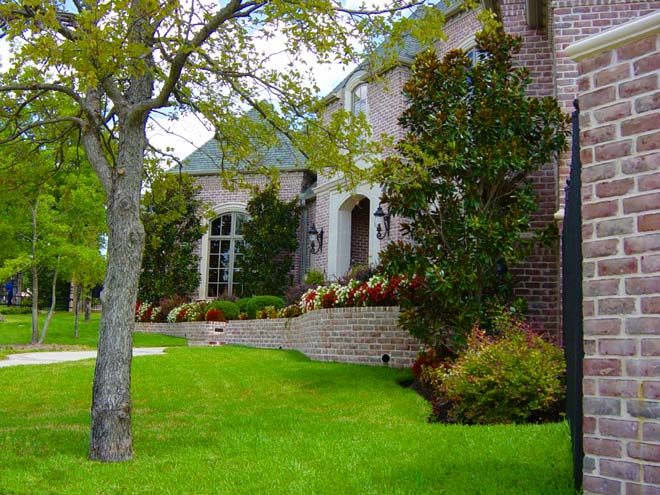
Castle Hills
Landscape maintenance
A good installation buys you a great yard. Maintenance is what keeps it one.
In this climate, a landscape that’s ignored for one season starts showing it — and in an HOA community, it gets noticed. Ongoing care here means:
- mowing, edging, and seasonal cleanups
- weeding, mulching, and bed care
- fertilization on a schedule that matches Texas turf, not a generic calendar
- irrigation checks so small problems don’t become dead zones
The goal is simple: the yard looks handled every week of the year, without you thinking about it.
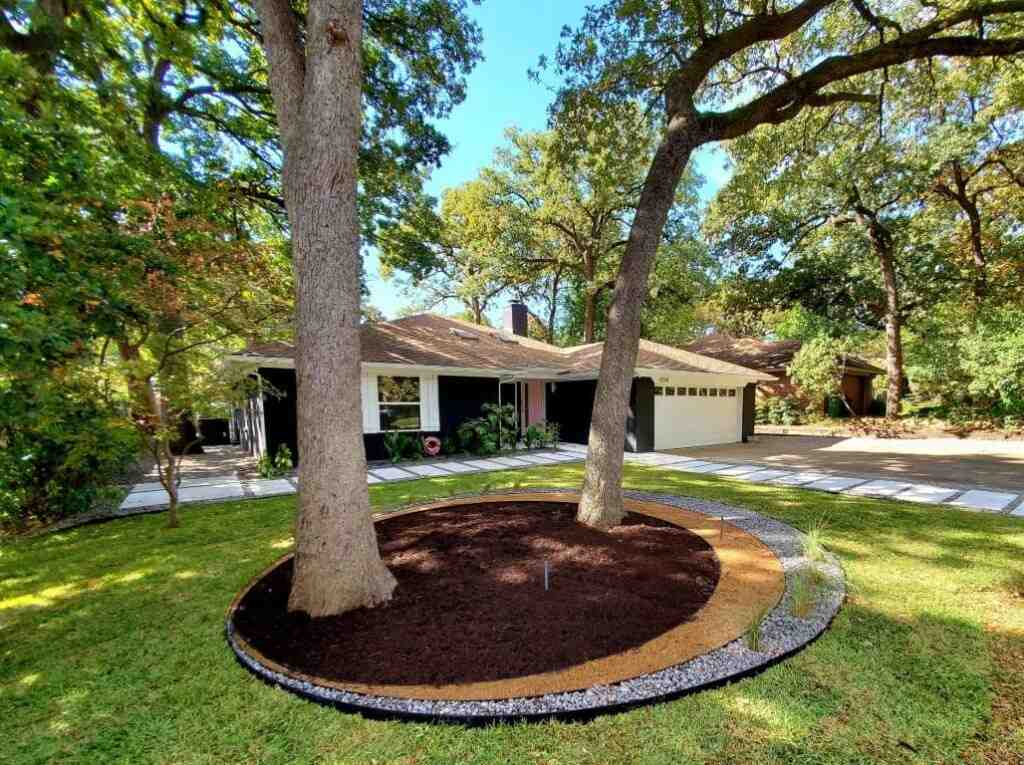
Castle Hills
Where Castle Hills yards go wrong
Usually it starts earlier than people think.
- Plants chosen for looks, not for clay soil and 100-degree summers
- No overall design — just years of piecemeal additions
- Irrigation that was never adjusted after the landscape changed
- Maintenance treated as optional instead of part of the plan
Any one of these is survivable. Stacked together, they’re why a yard that cost real money looks tired five years later
How we approach it
We’ve been building and caring for DFW landscapes since 1993, and the approach hasn’t changed much: slow down the front end.
We start with an on-site design consultation — walk the property, understand how you use it, and get honest about what the soil, sun, and layout will actually support.
The consultation fee rolls into the installation cost, so the planning isn’t an extra — it’s the first step of the build. Then we design it once, install it cleanly, and set up the care plan that keeps it looking like day one. That doesn’t make the project effortless. It makes it predictable. And on a property you look at every single day, that matters.
Castle Hills
Where to start
If you already know what kind of project you’re planning, go straight to it:
Castle Hills
If you’re still figuring it out
A lot of Castle Hills projects start with a feeling, not a plan. The yard looks tired, the backyard isn’t getting used, something’s off — but the exact fix isn’t obvious yet.
That’s normal. The important part is figuring out what the property actually supports, what the yard really needs, and what should be decided before anything gets planted or poured. Once that part is clear, the rest usually gets a lot easier.
Call 972-466-0345 or book your on-site design consultation to get started.